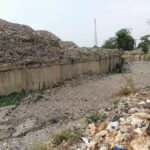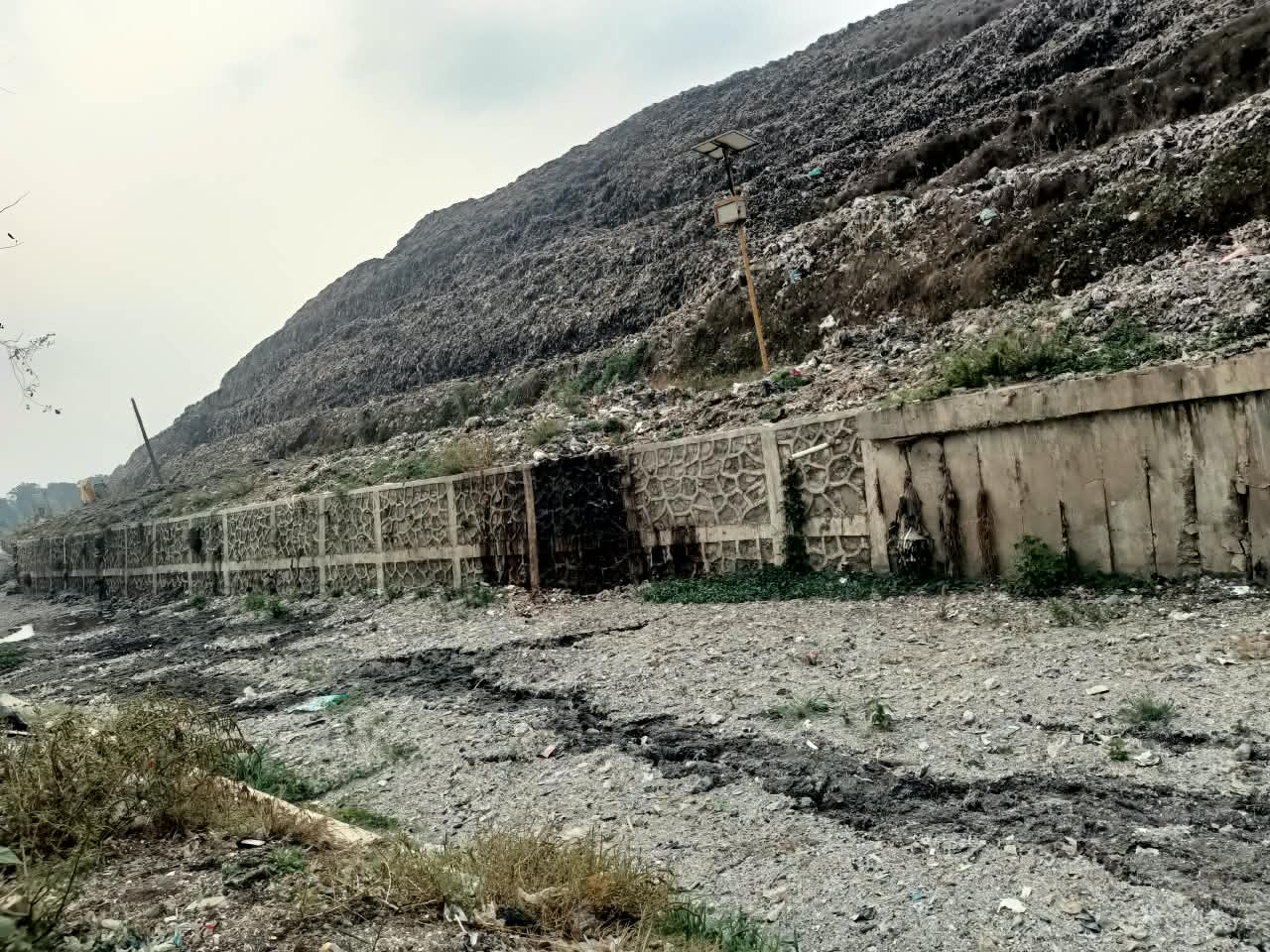
Cybernews.my.id\\BEKASI __ The mountain-like piles of waste stretching across 110.3 hectares at the Bantargebang Integrated Waste Processing Site (TPST Bantargebang) are no longer just a final disposal site. The area has transformed into an ecological and humanitarian time bomb. Managed for more than three decades using the open dumping method, Indonesia’s largest landfill is increasingly revealing a massive environmental crisis.
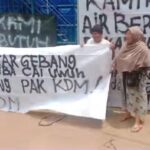
The fatal tragedy on March 8, 2026, which claimed seven lives in a landslide, served as a dark turning point highlighting decades of failed waste management. Harsh criticisms from local to international levels continue to flood the site’s managers. A clear demand has emerged: either shut down TPST Bantargebang completely and perform comprehensive environmental restoration, or provide adequate compensation proportional to the risks faced by the affected community.
For 37 years, residents surrounding TPST Bantargebang have been forced to live alongside foul odors, soil contamination, and the threat of toxic leachate and microplastics. This dangerous liquid waste flows from the garbage heaps, polluting the Ciketing River, Asem River, and eventually discharging into the Muaragembong coast and the Java Sea.
The contamination of surface and well water has spread over tens of kilometers. Beyond landscape destruction and a severely degraded quality of life, residents endure tangible health impacts. At least 20 major diseases continuously threaten local health:
•Most Dominant Illness
Acute Upper Respiratory Tract Infection (ISPA) ranks first.
•Digestive & Skin Disorders
Dyspepsia, Diarrhea, Gastroenteritis, Gastritis, Contact Dermatitis, Abscesses, Furuncles, and Cutaneous Carbuncles.
•Chronic & Systemic Conditions
Primary Hypertension, Diabetes Mellitus, Arthritis, Rheumatism, as well as Acute Pharyngitis and Nasopharyngitis.
The state of the environment and the health of Bantargebang residents are deemed far too valuable to be offset by compensation funds or “odor money” (uang bau), which range between IDR 380 billion and IDR 500 billion annually.
”A healthy environment, public health, and human rights cannot be priced against compensation money. The Jakarta Provincial Government must think more wisely,” urged Bagong Suyoto, Chairman of the National Garbage Coalition. Friday (09/10/2026)
Following directives from the Minister of Environment via Letters No. P.665/A/PLB.2.3/03/2026 and No. P.687/A/PLB.32/03/2026 regarding accelerated landfill management and the phase-out of open dumping, the Jakarta Provincial Government began implementing waste reduction policies on August 1, 2026.
This initiative aims to cut waste delivered to TPST Bantargebang from 7,500–7,800 tons per day to approximately 5,300 tons per day as of late September 2026. Jakarta targets a gradual 50% reduction by enforcing waste sorting at the source, considering Jakarta’s total daily waste generation has surpassed 9,000 tons—equivalent to the daily waste output of Singapore.
Breakdown of Jakarta’s Waste Sources:
•Residential / Households: 57%
•Public Facilities: 16%
•Traditional Markets: 14%
•Commercial Areas (Hotels, Restaurants, Malls, Offices): 8%
•Industrial Zones: 5%
However, Jakarta’s policy to reduce waste tonnage has sparked new friction with the Bekasi City Government and the Bekasi City Regional House of Representatives (DPRD). If compensation is calculated purely on the tonnage of waste delivered, Bekasi City’s compensation receipts could plummet by up to IDR 198 billion per year.
The Bekasi City DPRD firmly rejects this reduction scheme and is preparing to form a Special Committee (Pansus). The historical disparity in compensation funds and direct payouts to affected households is outlined below:
°2002–2003
Initial Compensation Post-Community Protests: IDR 22,000,000,000
°2005
Odor Compensation (Uang Bau – Initial) IDR 50,000 / household / month
°2024–Present
Odor Compensation (Uang Bau – Current) IDR 400,000 / household / month
°2017
Total Financial Assistance from Jakarta to Bekasi: IDR 134,416,992,000
°2019
Total Financial Assistance from Jakarta to Bekasi: IDR 353,664,960,000
°2021
Total Financial Assistance from Jakarta to Bekasi: IDR 379,519,499,250
°2023
Total Financial Assistance from Jakarta to Bekasi: IDR 356,446,480,500
°2024
Total Financial Assistance from Jakarta to Bekasi: IDR 371,773,962,000
The transition from open dumping to controlled or sanitary landfills currently undertaken by the Jakarta Environmental Agency in Zones I and II is considered insufficient to address the root problem. Most zones—including Zone III, Zone IV, and the Kepala Burung Zone—are already in a critical state of overload, holding an estimated cumulative waste mass of 60 to 70 million tons.
Processing technologies such as Landy Waste Management & Refuse Derived Fuel (RDF) plants currently absorb only a small fraction of the thousands of tons arriving daily. Without fundamental reforms, these technologies remain ineffective at resolving the millions of tons of accumulated waste.
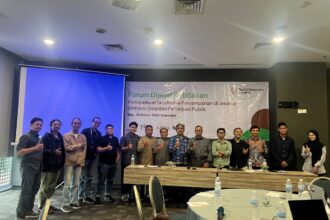
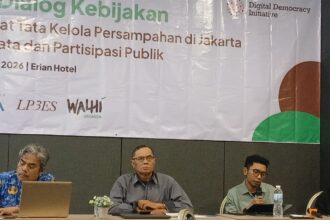
The future of TPST Bantargebang should no longer be decided unilaterally through Cooperation Agreement (PKS) renewals without involving affected residents, community leaders, and local youth. Establishing a public dialogue forum is crucial so decisions focus on restoring living conditions rather than merely distributing compensation.
If the Jakarta Provincial Government and landfill operators cannot guarantee concrete environmental restoration, halt the flow of toxic leachate, and provide justice for the community, a total closure of TPST Bantargebang alongside mandatory environmental remediation becomes the only viable path forward.(Red)